Greenwashing Is Out. Strategic Climate Infrastructure Is In.
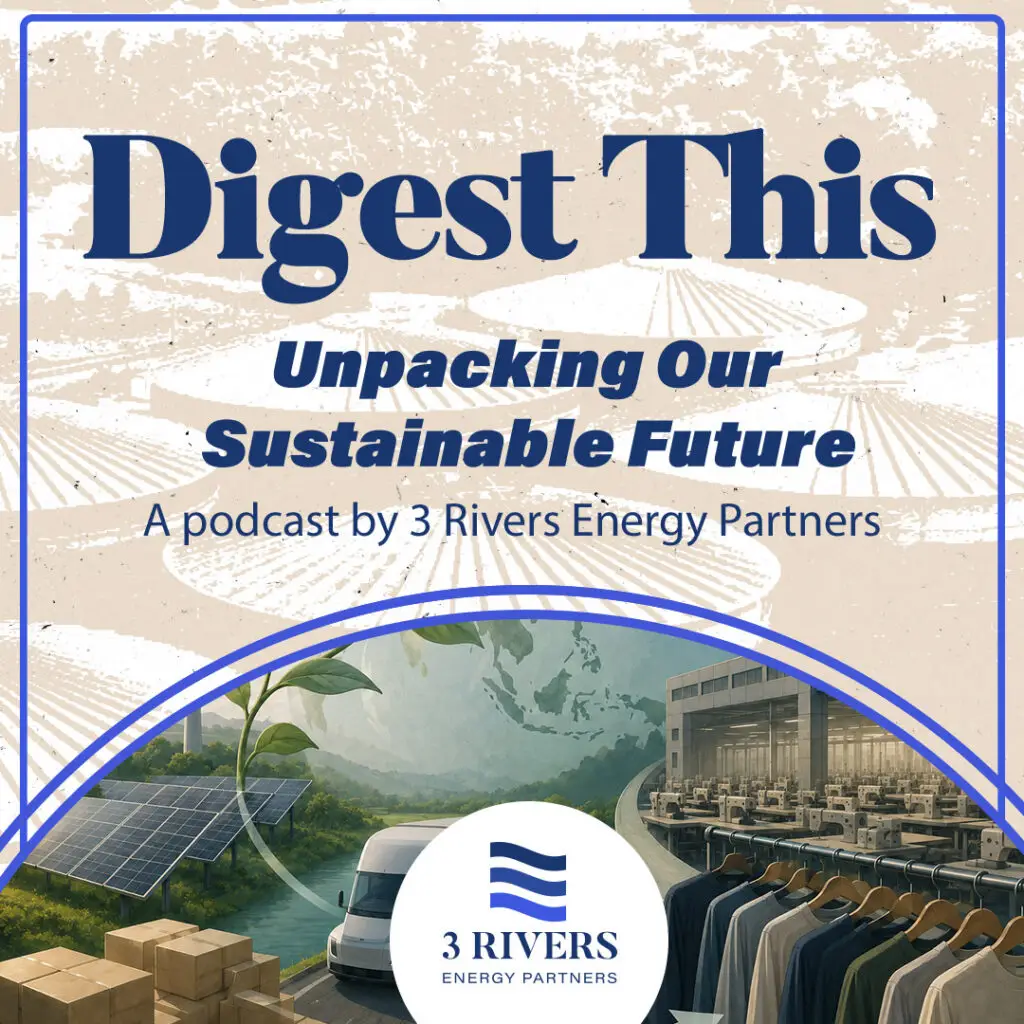
In this episode of Digest This, Three Rivers Energy Partners explores two major examples of that shift. The first is the rapid growth of renewable natural gas in U.S. transportation, where RNG use as fuel in on-road natural gas vehicles has increased by 94%. By capturing methane from organic waste and converting it into usable fuel, RNG is helping fleets reduce emissions while relying on proven domestic energy infrastructure.The episode also looks at Lululemon’s investment in a renewable energy fund designed to support new wind and solar projects in mainland China, where much of the apparel supply chain’s electricity demand occurs.
The Grid Squeeze
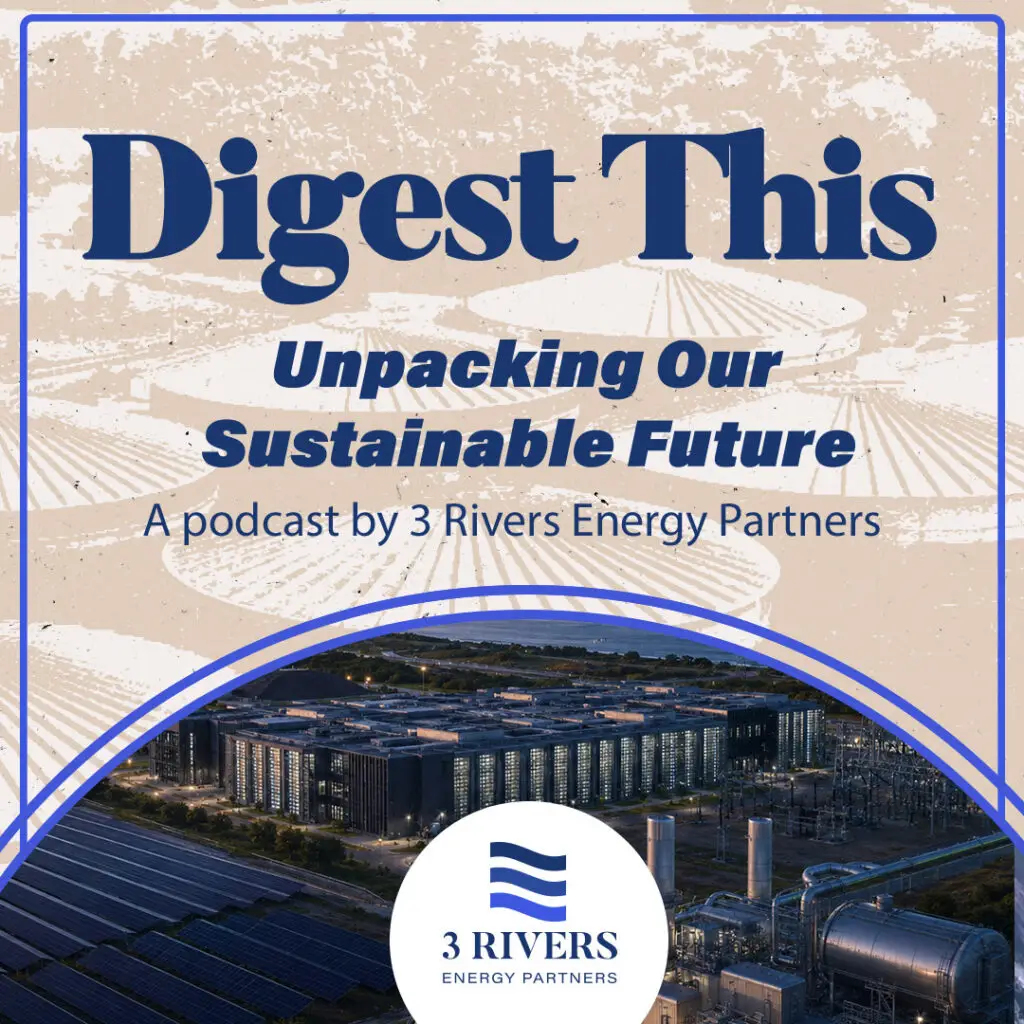
This episode explores how surging AI-driven data center demand is colliding with Virginia’s climate policies and straining the electric grid. The hosts also examine how tech companies are securing renewable power through major solar and wind deals, and why renewable natural gas may be essential for reliable, round-the-clock clean energy.
The AI Energy Paradox: Can the Grid Keep Up?
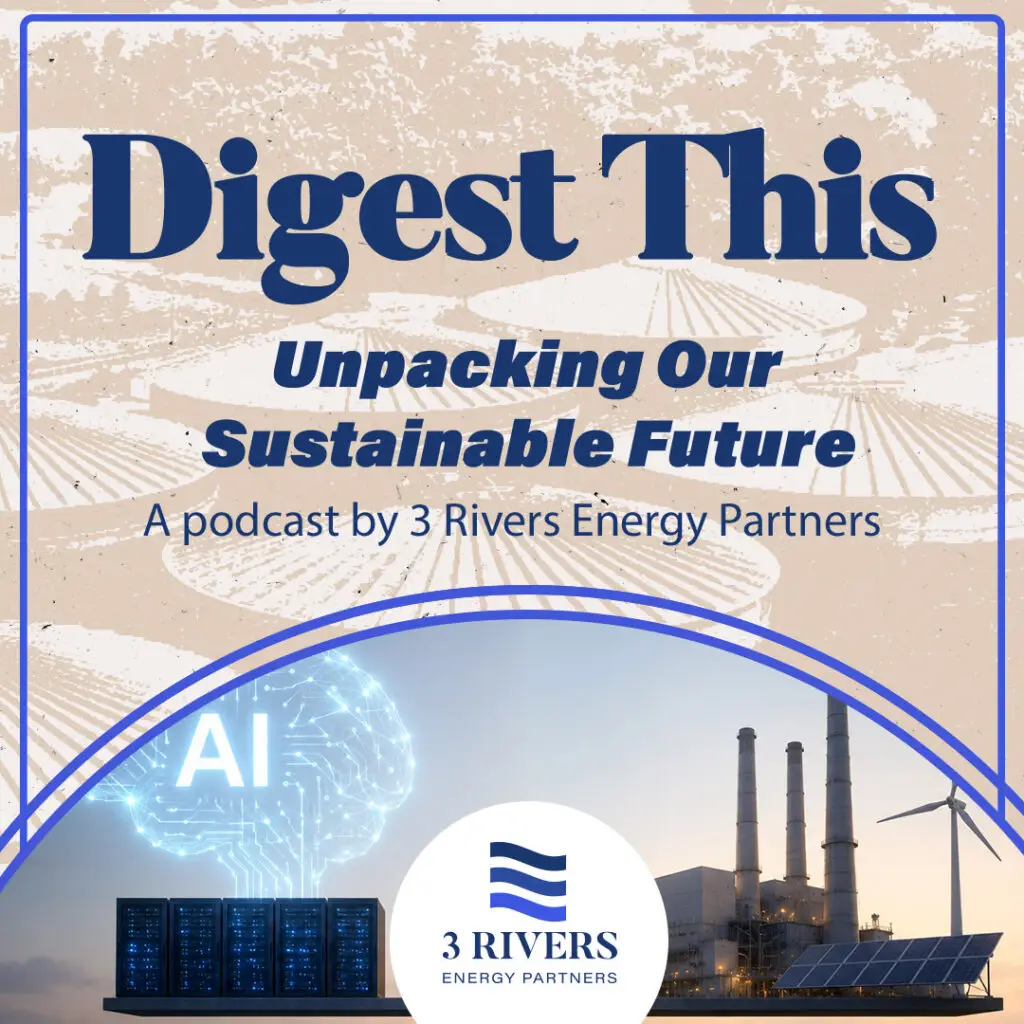
Artificial intelligence is transforming the world, but there is one question behind the digital revolution that does not get enough attention:
What is going to power it?
In this episode of Digest This, we unpack the energy paradox behind AI’s explosive growth. Google’s data centers consumed 30.8 million megawatt-hours in 2024, roughly double what they used just four years earlier. As AI infrastructure scales, the demand for constant, reliable, 24/7 power is pushing tech companies, utilities, and energy markets into a new reality.
We discuss why major data center projects are turning toward natural gas, how grid bottlenecks are creating strange market conditions like negative gas prices in West Texas, and why emerging markets are looking at domestic gas to support digital infrastructure.
But the conversation does not stop at the problem.
We also explore the third path: renewable natural gas. RNG can capture methane from organic waste streams such as dairy farms, landfills, agricultural waste, and industrial byproducts, then turn that climate liability into reliable baseload energy.
The AI boom does not have to become a climate disaster. It could become a catalyst for scaling a more circular, resilient energy economy.
Why LNG Turmoil Is Pulling RNG Into Focus
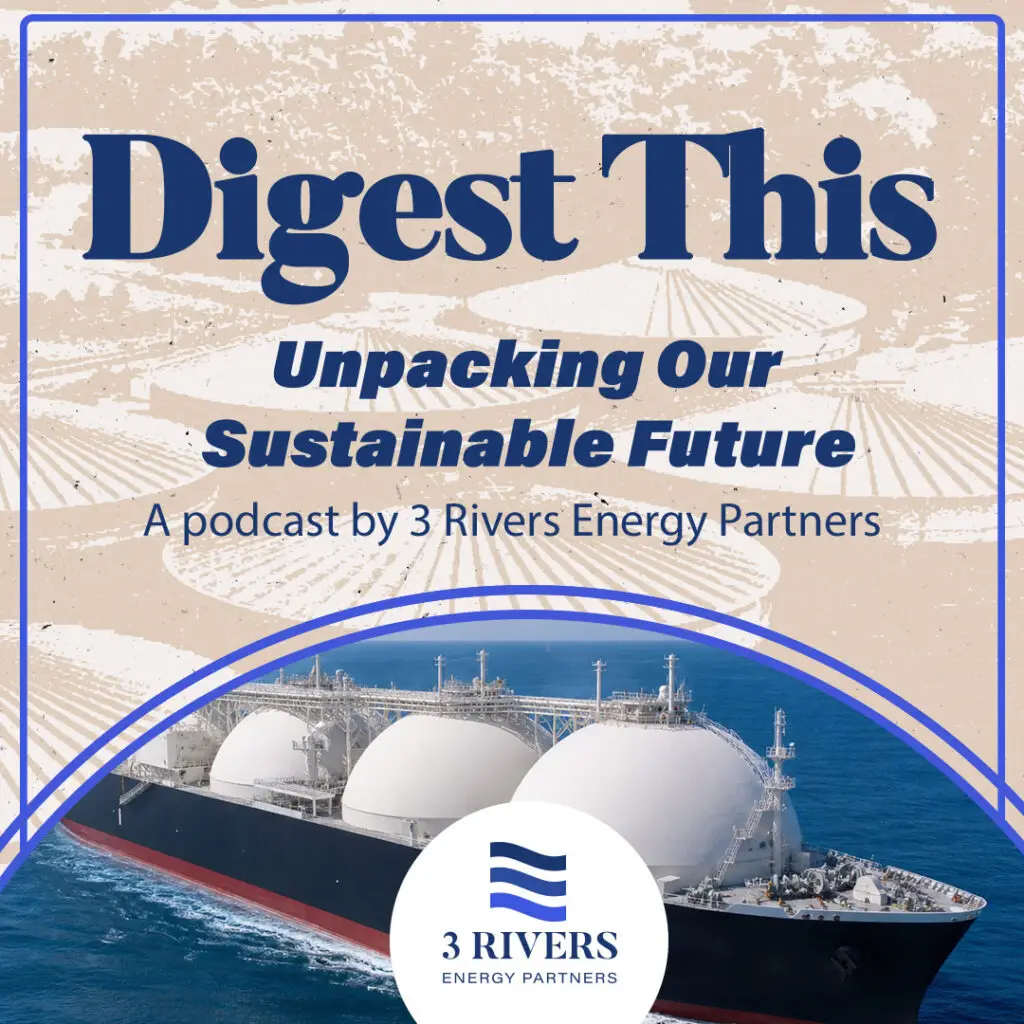
The hosts unpack how a major LNG supply shock and new U.S. export-and-security policies are reshaping the gas conversation, from chokepoints in Hormuz to Europe’s push for more import capacity. They then explore why RNG may benefit not from scale, but from its local, lower-carbon, methane-cutting value in a more strategic gas market.
Where Is RNG Today?
This episode breaks down why natural gas is being pulled by power demand, LNG exports, and the rise of data centers, even as storage stays comfortable and price forecasts soften. It also explores why that evolving market could help renewable natural gas stay relevant as a practical, lower-carbon drop-in fuel for dairies, landfills, wastewater, and industry.
RNG’s Next Demand Wave
fThe hosts Alex and Emily unpack EPA’s finalized 2026–2027 Renewable Fuel Standard volumes, the reallocation of small refinery exemptions, and the removal of eRINs from the program. They also explore where RNG growth may come next as transportation demand matures, with new signals from utility procurement, food-waste projects, and broader biogas market expansion.
Biogas Means Business
This episode of Digest This: Unpacking Our Sustainable Future examines the rapid expansion of renewable natural gas (RNG) production across the United States and what it means for business decision-makers. Drawing on the latest market data from the American Biogas Council, Emily and Alex break down where more than $2 billion in 2025 biogas investments went, how nearly 2,600 facilities are capturing methane from landfills, farms, food waste, and wastewater, and why 68 of 70 new projects are upgrading to RNG. The discussion explores RNG’s role in decarbonizing transportation fuels, meeting low-carbon fuel standards, and helping fleets, shippers, and large energy users reduce their Scope 1 emissions. The hosts also look at the contribution of biogas and RNG to U.S. energy independence and resilience—highlighting how local projects create 24/7 dispatchable renewable energy, support rural and urban economies, and turn waste challenges into revenue streams. Throughout, the episode offers practical takeaways for companies evaluating RNG offtake, on-site projects, or partnerships as part of their sustainability and energy strategies.
A look back at the 2025 Power Shift: What It Means for RNG
U.S. power markets are changing fast. In this episode, we break down the 2025 trends in electricity generation, from record solar growth and rising wind capacity to the stubborn dominance of natural gas as coal declines. Then we look ahead to 2026 and beyond, where utilities are building new gas-fired power plants not just as baseload, but as flexible backup for a rapidly growing fleet of renewables. Along the way, we explore how this gas buildout can open doors for renewable natural gas (RNG), and what it will take for RNG to play a meaningful role in decarbonizing the power sector.
RNG Rising Amid Gas Market Shocks
In this episode, we unpack the impacts of Winter Storm Fern on natural gas supply and prices, explore the growing integration of global LNG markets, and dive into the crucial role Renewable Natural Gas plays in building a resilient, sustainable energy future.
Powering Progress in Cities and Communities
Join Alex and Emily as they explore ambitious clean energy goals across US cities and dive into Denver’s groundbreaking renewable natural gas project with Waste Management. Discover the challenges and innovations shaping scalable, community-driven sustainability efforts nationwide.